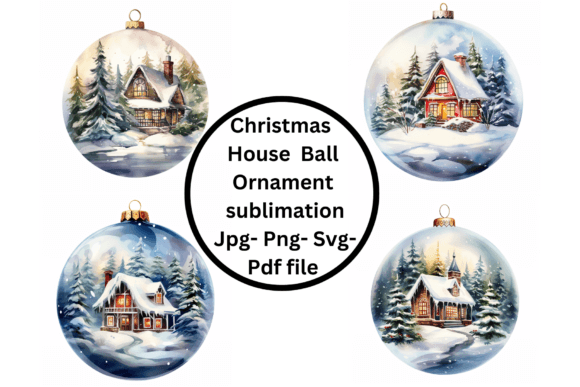
Christmas Ball Ornament: An Honest Embroidery Design Review
I have been testing embroidery designs for over a decade, and I always approach a new file with the same question: would I actually stitch this onto something I would sell or gift to someone I care about? The Christmas Ball Ornament design landed on my screen with that familiar holiday charm, but charm alone does not make a good embroidery project. I wanted to see whether this design holds up under real stitching conditions, whether it reads clearly on fabric, and whether it adds genuine value to a handmade product or small shop lineup.
What I found is a design that understands its purpose. It is not trying to be overly complex or trendy. It leans into the timeless appeal of a classic holiday bauble, and for many makers, that is exactly what works. But there are layers to consider before you load this onto your machine and hit start.
First Impression: The Mood This Design Creates
Opening the Christmas Ball Ornament file, the first thing that struck me was how instantly recognizable the shape is. A rounded ornament with a defined cap and hanging loop creates a visual that needs no explanation. This matters more than many designers realize. When a customer scrolls through an Etsy listing or browses a craft fair table, they make split-second decisions based on familiarity and emotional connection. A bauble shape triggers holiday nostalgia immediately.
The design carries a clean, illustrative quality that fits the Illustrations category well. It feels like a Graphics-style piece meant to be read clearly rather than a highly detailed photo-realistic rendering. That is a strength. In embroidery, clarity often beats complexity. The ornament silhouette gives the design a strong anchor point, and the interior details add just enough visual interest without becoming muddy when stitched out.
I could picture this on a cream-colored apron, a rustic kitchen towel, or a child's holiday pajama set. The mood is warm, traditional, and gently festive. It does not scream for attention, and that restraint makes it versatile.
Where This Design Truly Belongs
Not every embroidery design fits every product, and part of being a smart maker is knowing where a design will shine. The Christmas Ball Ornament feels most at home on projects that benefit from a single, centered focal point. Think of a tote bag with the ornament placed boldly in the middle, or a pillow cover where the design acts as a seasonal accent rather than an all-over pattern.
I mentally tested it across several real-world applications while preparing for a small holiday collection. On a sweatshirt, the design would sit beautifully on the chest area, giving a subtle festive touch without overwhelming the garment. On a tea towel, it would add that handmade holiday kitchen aesthetic that buyers love during November and December. For a baby onesie, the soft rounded shape feels gentle and age-appropriate. I could also see it working as an embroidered patch, sewn onto a denim jacket or a canvas backpack for a personalized holiday gift.
For Etsy sellers and craft business owners, this design offers something valuable: it is seasonally specific but not so narrow that it limits your product range. You can use it on apparel, home decor, accessories, and gift items. That flexibility means you can test it across multiple product categories and see where your audience responds best.
How It Performs In Real Stitching Scenarios
Let me walk you through a practical scenario. I recently prepared a set of custom embroidered kitchen towels for a holiday market. I needed designs that would read clearly on textured cotton fabric, stitch out reliably within a standard hoop, and look professional enough to justify a premium price. The Christmas Ball Ornament was one of the contenders I tested.
On a woven cotton towel with a medium-weight cutaway stabilizer, the design stitched out cleanly. The rounded contours held their shape well, and the interior decorative elements did not become distorted. I chose a deep red thread for the main ornament body, a metallic gold for the cap and hanging loop, and a soft white for subtle highlight details. The contrast against the natural cream fabric was striking. The finished product looked like something you would find in a boutique, not a rushed DIY project.
One thing I appreciated was how the design maintained its identity even at a slightly reduced size. When I scaled it down to fit a smaller hoop for a coordinating napkin set, the essential ornament shape remained clear. The finer interior details did start to tighten up, which is expected, but the overall readability did not collapse. That is a sign of thoughtful digitizing.
Fabrics That Help And Fabrics That Hurt
This is where experience matters. A design can look flawless on screen and still struggle on the wrong fabric. The Christmas Ball Ornament works best on stable, medium-weight fabrics. Woven cotton, linen blends, canvas, and quality fleece all gave me good results. The smooth curves of the ornament benefit from a fabric that holds its shape and does not stretch during stitching.
I would be cautious on highly textured fabrics like thick terry cloth or loosely woven burlap. The ornament details could get lost in the texture, and the edges might appear jagged. Stretchy fabrics like performance tees or thin jersey also require extra care. If you plan to stitch this on a t-shirt, use a sturdy stabilizer and consider a basting stitch to hold everything in place. On dark fabrics, thread color selection becomes even more critical. A deep red ornament on a black sweatshirt can look muddy if you do not choose a thread with enough brightness and sheen to pop against the background.
Curved surfaces like cap fronts present another challenge. The round ornament shape is naturally forgiving, but the hanging loop at the top needs to align properly. If your cap hoop placement is even slightly off, that small detail can look crooked and draw the eye in a negative way. Test placement carefully before committing to a full run.
Stitch Quality And Visual Appeal
From a stitch quality perspective, the Christmas Ball Ornament shows a good balance between fill stitch and satin stitch usage. The main body of the ornament appears to use a smooth fill that gives solid coverage without excessive density. Overly dense designs can feel stiff, cause puckering, and frustrate customers who want soft, wearable results. This design avoids that pitfall.
The satin stitch accents on the ornament cap and hanging loop add a nice tactile contrast. When I ran my fingers over the finished towel, the raised satin areas gave the design a subtle dimensional quality that feels more expensive than a completely flat fill. That kind of detail matters when you are selling handmade products. Buyers notice texture, even if they cannot articulate why one piece feels more premium than another.
I also recommend testing the design in a black and white mockup before stitching. This helps you evaluate whether the tonal values hold up without relying on color to carry the design. The ornament silhouette should still be recognizable even in grayscale. If it is, you know the design has strong bones and will work across different thread color combinations.
Customer Perception And Brand Impact
When a customer sees an embroidered Christmas Ball Ornament on a product, what do they actually feel? I believe they feel a sense of tradition and care. Holiday ornaments carry deep personal meaning for many people. They represent family gatherings, childhood memories, and the warmth of the season. Translating that symbol into embroidery connects your product to those emotions.
For a small shop or craft business, this design can elevate your holiday collection. It signals that you understand seasonal trends without chasing fleeting fads. A classic ornament motif never really goes out of style. It fits into rustic farmhouse aesthetics, modern minimalist decor, and cozy traditional homes equally well. That broad appeal reduces the risk of creating products that feel dated after one season.
Giftability is another factor. Embroidered items featuring this design make excellent personalized gifts. Add a name or a short date below the ornament, and suddenly you have a custom keepsake that people will pay a premium for. Wedding ornaments, first Christmas together gifts, and family name decor all become possible with this design as the foundation.
Practical Designer Notes Before You Stitch
I always keep a mental checklist before committing to any embroidery design for client work or product inventory. Here is what I recommend for the Christmas Ball Ornament:
- Test on scrap fabric first. Use the same fabric type and stabilizer combination you plan to use for the final product. Do not skip this step, even if the design looks simple.
- Check thread color contrast. Hold your thread spools against the actual fabric under natural light. What looks good on a screen can look flat in person.
- Review stitch density. If the design feels too stiff or causes puckering, you may need to adjust your stabilizer or consult the digitizer about density settings.
- Confirm hoop size. Make sure the design fits comfortably within your hoop with at least half an inch of clearance on all sides. Crowding the hoop edges can cause registration issues.
- Inspect small details. Zoom in on the ornament cap, the hanging loop, and any decorative interior elements. These are the areas where thread breaks or misalignment can occur.
- Test on both light and dark backgrounds. A design that looks beautiful on cream fabric may disappear on navy or charcoal. Adjust thread colors accordingly.
- Use proper stabilizer. For most applications, a medium-weight cutaway stabilizer works well. For towels or stretchy fabrics, add a water-soluble topper if needed.
- Verify licensing terms. Before selling finished products or digital files, confirm that the design license allows commercial use. Not all Graphics and Illustrations assets come with the same permissions.
What This Design Teaches About Holiday Embroidery
Working with the Christmas Ball Ornament reminded me of a principle I often share with makers who are building their first holiday collection. The best seasonal designs do not try to do everything. They pick one recognizable symbol and execute it well. A bauble, a snowflake, a star, a tree. Each of these can anchor a product line when the digitizing is solid and the application is thoughtful.
This design also highlights the importance of simplicity in commercial embroidery. When you are producing items for a craft fair or fulfilling Etsy orders, you need designs that stitch out consistently and look professional across multiple products. The ornament design delivers that reliability. It does not require constant troubleshooting or thread changes mid-run. It respects your production time and your sanity.
For digital product sellers and printable mockup creators, this design also holds value. A clean ornament graphic can be used in product previews, listing photos, and branding materials. The illustrative quality makes it adaptable for both embroidery files and visual marketing assets. Just make sure your license covers digital display use if you plan to incorporate it into mockups or promotional graphics.
Who Should Use This Design
If you are an embroidery designer looking for a reliable holiday motif that works across apparel, home decor, and gift items, the Christmas Ball Ornament is a solid addition to your library. It is especially well-suited for makers who sell at winter craft markets, run holiday Etsy shops, or create personalized family gifts. The design is approachable enough for beginners to stitch successfully, yet polished enough for experienced professionals to offer with confidence.
I would also recommend this design to boutique owners who want to add embroidered holiday products to their inventory without investing in overly complex or niche designs. A simple ornament appeals to a wide audience, and that means a broader customer base and fewer unsold items after the season ends.
At the end of the day, a design earns its place in my collection by proving it can perform under real conditions. The Christmas Ball Ornament passed that test. It stitched cleanly, looked professional, and gave me finished products I would happily sell or gift. That is the standard every maker should hold their designs to, and this one meets it.