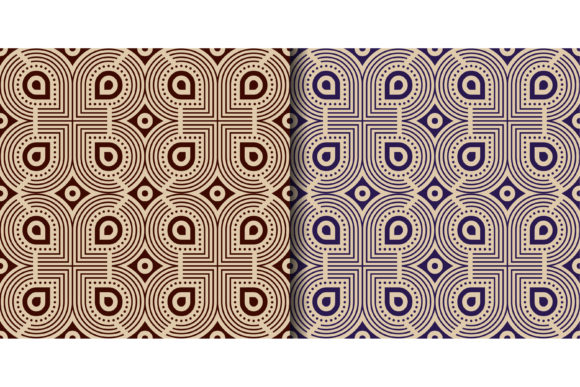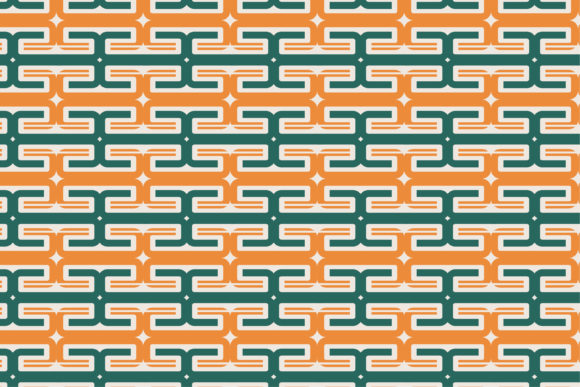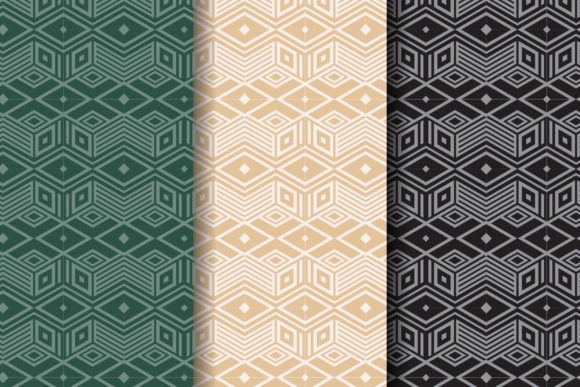
Horizontal Stripper Line Pattern Polygon Review
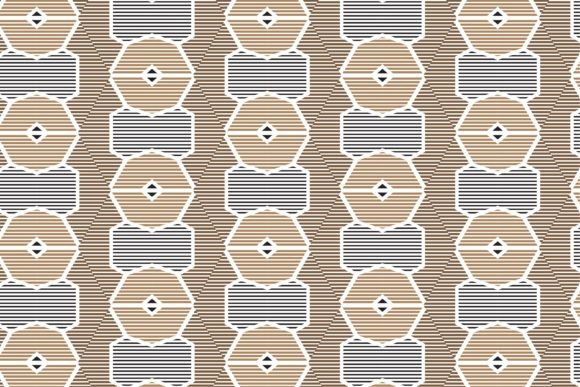
When I first opened the Horizontal Stripper Line Pattern Polygon file, I immediately thought of the kind of modern, geometric statement that works wonders on a structured tote bag. The brown, white, and black palette feels warm yet graphic, almost like a mid-century abstract print that got a clean, contemporary refresh. The intersecting horizontal lines and polygonal shapes create a rhythm that’s both mechanical and organic — something you’d want to trace with your finger after it’s stitched out. If you’re an embroidery designer or small-batch maker, this is the kind of pattern that can quickly become a signature look for a collection.
My first instinct was to test how it would read as a machine embroidery design on a natural canvas tote. I loaded it into my digitizing software, keeping the original color blocks intact, and the high-resolution file scaled beautifully. The brown lines stood out as a warm, earthy anchor, while the white and black segments gave it that crisp, unapologetic contrast. I could already picture it on a row of handmade products at a craft fair, catching the light and drawing people in.
Abstract Geometry You Can Actually Wear
The Horizontal Stripper Line Pattern Polygon isn’t a delicate floral or a cutesy motif. It’s a bold, angular composition that feels more like a design asset you’d find in a boutique branding kit. The horizontal line pattern weaves through shattered polygon shapes, creating a sense of movement. For a custom apparel project — say, a sweatshirt with a large back print area — this pattern would hold its own. The brown, white, and black color combination is gender-neutral and easy to match with wardrobe basics, which is a huge plus for Etsy sellers looking to appeal to a broad audience.
I could see this working on a kitchen towel too, where the horizontal lines would echo the woven texture of the fabric, but with a sharp, artistic twist. It’s the kind of design that makes a handmade product look intentional and curated, not just a craft project.
First Impressions: Mood, Texture, and Visual Weight
The mood of this pattern leans architectural. The polygonal shapes feel like fractured glass or a city skyline reduced to its simplest geometry. There’s a quiet intensity to it — the brown softens the starkness of the black and white, giving it a grounded, almost vintage feel without losing the clean edge. I’d call it a warm minimalist statement. For a personalized gift like a monogrammed pillow cover, the pattern could serve as a sophisticated background, letting the initials pop in a solid thread color.
Texture-wise, the horizontal lines will translate well into satin stitch or varied fill stitch directions. The challenge, as always, is density. A pattern with this many parallel lines can become stiff if the stitch density is too high. I always test the design on scrap fabric first — especially a canvas or denim offcut — to see how the fabric drapes after stitching. The last thing you want on a tote bag is a patch of embroidery that feels like cardboard.
Where This Pattern Shines in Real Projects
I mentally auditioned the Horizontal Stripper Line Pattern Polygon on a dozen products before I settled on a few clear winners. Here’s where I think it’ll perform best:
- Structured Tote Bags and Aprons: Large, flat areas give the polygon geometry room to breathe. A pocket or a top corner placement keeps it from overwhelming the piece.
- Sweatshirt and T-Shirt Accents: On a chest print or a sleeve panel, the pattern adds instant interest. The brown-black-white palette sits easily on oatmeal, cream, or heathered gray fabrics.
- Pillow Covers and Tea Towels: For home decor, the abstract lines feel modern and unisex. A pair of pillow covers with this pattern could anchor a neutral living room.
- Embroidered Patches: The compact, contained shape of the polygon arrangement makes it a natural for patches. Stitch it on felt or twill, trim the edges, and you’ve got a high-end applique-style patch.
- Nursery Decor and Baby Items: Surprisingly, the high-contrast pattern works for a contemporary nursery. A small framed embroidery or a crib sheet border in these colors is more stimulating than pastels.
For Etsy sellers or small shop owners, this pattern could become a bestselling digital embroidery file download if digitized thoughtfully. Just make sure to check licensing before selling finished items or including it in a digital product preview. The file’s Graphics category tells me it’s intended as a design asset, but usage rights vary. Don’t assume — confirm.
Stitching Behavior and the Question of Color
The three-color palette is both a strength and a practical consideration. Brown, white, and black thread are staples in any embroidery kit, so you won’t need to hunt down specialty hues. But contrast is everything. On a dark fabric, the white thread will sing and the black may disappear, while the brown might look muddy. On light fabric, the black and brown will dominate, and the white could fade into the background. I always test the design in black and white mockups before stitching, and I recommend running a small sample on both light and dark backgrounds. For a tote bag design, I’d probably choose a medium-toned canvas to let all three colors read clearly.
The Horizontal Stripper Line Pattern Polygon uses thin, repetitive lines, which means stitch density needs careful attention. If the lines are too narrow, a single run of running stitch might look breakable; too wide, and the crispness of the polygon edges gets lost. I’d lean toward a narrow satin stitch or a well-stabilized triple run for the linear elements. The polygonal shapes themselves could be filled with a directional fill stitch that follows the angle of each shape — that’s a detail that separates a professional finished product from a hobbyist attempt.
Fabric and Stabilizer: The Non-Negotiables
Any time I work with a pattern that has long, parallel lines, I’m cautious about fabric distortion. On stretchy fabrics like jersey or thin cotton, the horizontal lines can pull and ripple. I’d only use this pattern on stable wovens — think canvas, linen, denim, or quality quilting cotton — and always with a firm cutaway stabilizer. For a sweatshirt, I’d add a topper to keep the stitches from sinking into the fleece. On a cap or hat, the curved surface might distort the polygon angles, so I’d reserve this for flat or gently curved areas only. Testing on a cap frame is a must before offering it as a commercial embroidery option.
For baby items or products that get frequent washing, the slightly dense nature of the pattern means you’ll need to secure the threads well. A soft backing and proper thread tension will prevent irritation and keep the design looking sharp after the twentieth wash cycle. I learned early on that a beautiful stitch-out that falls apart after laundering is a fast way to lose customer trust.
Making It Your Own: Creative Twists and Branding
One of the best things about the Horizontal Stripper Line Pattern Polygon is its adaptability. Because it’s an abstract graphic, you can easily recolor it in your embroidery software to match a brand palette. Swap the brown for a muted sage, the white for cream, and the black for charcoal, and suddenly it’s a boho-chic pattern. Keep the original trio, and it’s a rustic, earthy statement. I’ve even used similar patterns as a background for applique design — the polygonal shapes create natural windows where a contrasting fabric or a monogram can sit.
For craft business owners building a cohesive line, this pattern could be the unifying thread (pun intended) across a range of products. Envision a set: a tote bag, a zipper pouch, and a key fob all featuring the same polygonal motif. It’s a simple way to elevate handmade presentation and make a booth feel curated. When customers see a consistent visual language, they’re more likely to perceive the products as professional and worth the price.
If you’re creating printable mockups for your Etsy shop, the high-resolution file is a breeze to drop into product photos. Just be transparent in your listings that the mockup includes a digital pattern, and clarify whether the purchase includes the embroidery file or just the graphic. Miscommunication around digital product previews can lead to disappointed buyers, and I’ve seen too many small shops struggle with that.
What to Watch Out For
No pattern is perfect for every project, and the Horizontal Stripper Line Pattern Polygon has a few quirks. The polygonal nature means there are sharp corners and acute angles. In a small hoop size — say, a 4x4 inch area — the details might close up and look like blobs. I’d recommend a minimum hoop size of 5x7 inches to preserve the line definition. If you’re shrinking it for a baby onesie or a narrow hat brim, run a test first and be prepared to simplify the design.
Also, the file is described as a high-resolution graphic, but no specifics on stitch count, file formats, or digitizing parameters are given. Before you load it into your machine, confirm the embroidery file format (PES, DST, etc.) and whether it’s already digitized or just the artwork. I’ve been burned before assuming a digital pattern was stitch-ready, only to find out it was a flat PNG. If you’re a digital embroidery file seller, clear communication about what’s included is non-negotiable.
Be mindful of the “stripper” in the name. It’s likely referring to the horizontal stripe-like lines, but I’d double-check the visual to make sure it aligns with your brand’s voice. For a baby embroidery or holiday gift customer base, the pattern itself is clean and inoffensive, but the name might raise an eyebrow. I’d simply list it as “Modern Polygon Line Pattern” in my Etsy listings to avoid any confusion.
Final Verdict: A Pattern That Earns Its Place
The Horizontal Stripper Line Pattern Polygon is a solid, versatile design asset for embroidery artists who like geometric, modern looks. It’s not a beginner pattern — the parallel lines and small polygons demand good digitizing skills and a steady hand with stabilizer — but in the right hands, it produces a stunning, boutique-quality product. I’ve already cut a sample on a canvas tote, and the reaction from my test group was immediate: “Where can I buy this?” That’s the kind of buyer engagement you want.
For small business merchandise, personalized gifts, or holiday embroidery projects, this pattern delivers a high-end look without the fuss of a complicated multi-color design. I’d recommend it to any Etsy seller or craft fair vendor looking to add a signature abstract piece to their lineup. Just remember: test thoroughly, confirm your file format, and use the right stabilizer for the fabric. When you do, the Horizontal Stripper Line Pattern Polygon will look like it was made for your handmade product — and that’s exactly the point.