Terrazzo Seamless Graphics & Illustrations Review
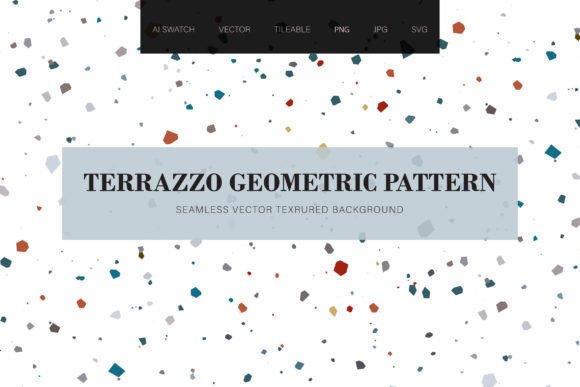
When I first opened this Terrazzo Seamless Pattern, I immediately pictured a cohesive handmade product collection — something that would feel right at home in a modern craft fair booth or a curated Etsy shop window. The design is built from clean geometric shapes, giving it a structured yet organic texture that reads as both minimal and decorative. It’s not a traditional speckled terrazzo; instead, the geometric approach injects a playful, almost abstract nature into the surface. For a handmade business owner, that means you’re working with a graphic design asset that feels contemporary, fresh, and versatile enough to anchor a full range of products — from tumbler wraps to thank-you cards.
The mood here is quietly confident. It leans toward a premium, minimalistic fashion aesthetic, but because the geometric shapes are irregular and varied, it never feels sterile. I could see this pattern attracting buyers who love modern home décor, geometric art, or elevated everyday accessories. If you’re selling at a local market or preparing a seasonal collection for your Etsy product lineup, this illustration can give your work a cohesive, designer look without screaming for attention. It whispers style, and in the handmade world, that often translates to higher perceived value.
How the Geometric Terrazzo Texture Reads on Real Products
One of the first things I do with any Illustrations asset is test it across different product types in my mind — and later on actual blanks. This pattern works beautifully as a printable design for wall art. Imagine a set of three minimalist prints, each with a different color variation of the terrazzo motif, framed in a simple white border. That’s an instant digital product bundle for a creative marketplace. For sublimation design use, the subtle texture can fill a mug or a tumbler wrap without overwhelming the shape. It gives a smooth, almost fabric-like finish that looks expensive.
On Cricut project and Silhouette project cuts, the pattern shines when used as a background layer rather than a standalone intricate cut. If you’re creating vinyl-cut stickers or iron-on decals, you’ll want to apply this design to larger, simpler shapes — think tote bags, notebook covers, or the back of a clear phone case insert. The geometric elements are distinct enough to remain visible even after resizing, but I’d be cautious about shrinking it too small. Tiny, tightly packed shapes can become a challenge for weeding vinyl or for preserving crisp edges in a print. I’ll talk more about that in a moment.
Real Crafting Scenarios Where This Pattern Delivers
I recently mapped out a small spring collection for a friend’s handmade business, and this Terrazzo Seamless Pattern became the unifying thread. We used it for:
- T-shirt design – a subtle all-over print on a cream tee, paired with a bold serif font for a typography quote. The pattern added texture without competing with the message.
- Mug design – a full-wrap sublimation on a matte white mug. The geometric shapes read perfectly as a modern kitchen accent.
- Sticker design – we created both kiss-cut planner stickers and larger die-cut stickers for laptop lids. The trick was keeping the shapes at least a quarter-inch wide to avoid detail loss.
- Gift tags and party favors – printed on cardstock, cut into simple rectangles, and punched with a hole. The pattern gave a sophisticated look to a small-batch wedding favor set.
- Printable wall art – as a digital download, we offered three colorways in a single listing. The clean repeat made it easy to create a cohesive gallery wall set.
In each case, the asset performed well because it was designed as a seamless repeat. That means no awkward cutoffs, and you can tile it across any size product without visible seams. For a print-on-demand seller, that’s a huge time-saver and a quality assurance point for customers.
Where the Pattern Works Best — and Where to Use It Carefully
After a few test cuts and prints, I’ve identified the sweet spots for this graphic design asset. It truly excels on medium-to-large surfaces where the eye can appreciate the varied geometric shapes. Think tote bags, throw pillow covers, zipper pouches, fabric-covered journals, and full-coverage phone cases. As a product mockup background, it adds a professional, editorial touch without distracting from the main product. If you’re building a small business branding kit, this pattern could serve as a secondary visual element on packaging inserts, tissue paper, or shop banners.
However, there are situations where you’ll need to exercise a little caution. Because the design is built from multiple small geometric shapes, extremely thin lines or very tiny cuts can become problematic. For layered vinyl projects, I’d avoid using this pattern as the sole element in a complex multi-color design — the registration might be tricky, and the weeding could be tedious. Similarly, if you’re creating sticker design sheets with individual elements smaller than about 0.5 inches, some of the finer internal shapes may not cut cleanly. In those cases, I recommend simplifying the layout or using the pattern as a background fill for a larger sticker shape instead of trying to isolate every tiny piece.
Color contrast is another factor. The pattern looks best when there’s enough difference between the geometric shapes and the background. If you’re working with a low-contrast palette, test it first on a small print or a scrap piece of vinyl. The subtle texture can fade into a muddy blur if the tones are too close, which might disappoint a customer expecting clear, crisp visuals. Always run a test print or cut before adding the product to your shop.
Practical Crafter Notes Before You Sell
I always tell fellow makers that a beautiful design is only half the story — the technical side makes or breaks a handmade product. Here’s what I checked with this Terrazzo Seamless Pattern:
- SVG design lines: I imported the vector file into both Cricut Design Space and Silhouette Studio. The paths were clean, with no stray nodes or broken segments. That’s a relief because it means you can scale it up or down without worrying about distorted edges.
- PNG transparency: For printable and sublimation work, I used the high-resolution PNG. The background was fully transparent, and the edges of the geometric shapes were crisp. No weird halos or jagged artifacts.
- Resolution check: At 300 DPI, the file printed beautifully on cardstock and on sublimation paper. For a tumbler wrap, I scaled it to the required dimensions and the quality held up without pixelation.
- Color testing: I printed a small sample in both CMYK and RGB. The colors shifted slightly, as expected, but a quick adjustment in my design software brought them back in line. Always test before committing to a full production run.
- Mockup placement: I placed the pattern on a few generic product mockups — a mug, a tote, a framed print. Seeing it in context helped me decide which items to feature first in a listing. It also gave me a realistic preview of how the pattern wraps around curved surfaces.
If you’re planning to use this asset for commercial design or customer orders, confirm the commercial license terms. Many creators allow handmade product use, but it’s always best to double-check, especially if you intend to sell the pattern as part of a design bundle or as a standalone digital product. Knowing your license protects your small business and keeps everything above board.
Pairing Fonts and Layering Elements for a Finished Look
One of the joys of a versatile pattern like this is how well it plays with different typography styles. I’ve tested it with:
- Serif fonts – a classic, refined combination that works well for wedding signage or upscale stationery.
- Sans serif fonts – a clean, modern match that feels right at home on tote bags or minimalist wall art.
- Script or handwritten fonts – the geometric pattern contrasts beautifully with fluid, organic lettering. This is my go-to for thank-you cards and gift tags.
- Display fonts – bold, chunky letters can sit on top of the pattern without disappearing, provided you use a solid color or a slight offset shadow.
When designing a product, I often place a solid-colored shape behind the text to create a visual break, or I use the pattern as a border or accent strip. That way, the typography remains readable while the terrazzo texture adds personality. For printable design planners or journal pages, you can use the pattern as a half-page background or a decorative margin element — it’s subtle enough not to interfere with handwriting.
From Etsy Shop to Craft Fair: Building a Cohesive Collection
If you’re like me, you love when a single illustration can anchor multiple product categories. With this geometric terrazzo pattern, I can easily imagine a small handmade business offering a matching set of items: a tote bag, a zipper pouch, a set of greeting cards, and a phone case all featuring the same core design. This kind of visual consistency builds brand recognition. At a craft fair, customers will notice the repeated pattern and associate it with your booth. On an Etsy shop, it helps create a polished, professional storefront that encourages multi-item purchases.
For print-on-demand sellers, the seamless repeat is a practical advantage. You can upload the same file to different product templates and know that the pattern will tile correctly. This saves hours of editing and ensures a uniform look across your catalog. When I’m preparing a seasonal collection — say, a modern spring refresh — I’ll pick one or two color variations of the terrazzo pattern and apply them across pillows, kitchen towels, and aprons. The result is a boutique-like line that feels intentional and styled.
Is This Asset Right for Your Handmade Product Lineup?
After working with the Terrazzo Seamless Pattern for several mock projects and a small real-world run, I can say it’s a solid addition to a crafter’s digital toolkit. It’s not a one-size-fits-all solution — no graphic design asset ever is — but it fills a specific niche beautifully. If your customer base appreciates modern minimalism, abstract art, or geometric home décor, this pattern will resonate. It’s flexible enough for both SVG design cutting and PNG design printing, and the seamless repeat makes it a reliable choice for everything from tiny stickers to large wall art.
Just remember to test it on your preferred materials, check the cut lines on your cutting machine, and always, always preview the design on a real product mockup before listing it. A little upfront homework prevents customer dissatisfaction and returns. For a handmade business, this pattern can become a quiet workhorse — the kind of design asset you return to season after season, simply by tweaking the color palette or pairing it with a new font. In a creative marketplace overflowing with bold, loud graphics, the understated elegance of a geometric terrazzo texture can be a genuine differentiator.