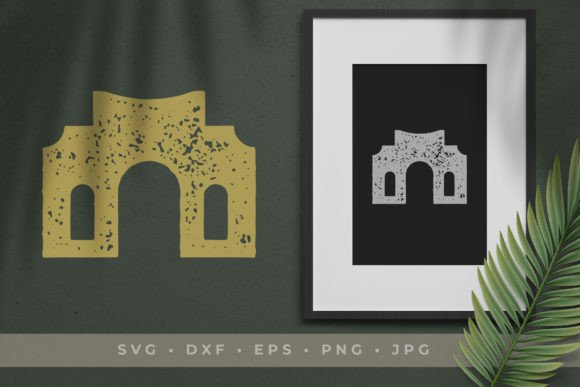
Ancient Medieval Traditional Building: Graphics & Illustrations
If you run a handmade business, you know the right graphic can turn a simple blank into a story. This week, I’m getting ready for a heritage market, and I needed a focal point that felt both ancient and ornamental. I pulled up the Ancient Medieval Traditional Building illustration, and it immediately clicked. The grunge texture, the mix of Greek, Roman, and Eastern architecture, and those detailed windows and entrance gave me exactly the rustic, handmade-with-history vibe I was after. Here’s my honest review from a crafter’s perspective — what it does well, where it needs a little care, and exactly how you can use it in your Cricut, Silhouette, sublimation, and printable product lineup.
First Impressions: A Timeless Design for Handmade Products
The first thing I notice about this graphic design asset is the mood it creates. It’s not a clean, modern vector; it’s deliberately weathered, with a grunge texture that suggests centuries of wear. The antique house combines elements you’d see in ancient Greece, Rome, and oriental architecture — columns, arched windows, and a decorative entrance that feels both grand and earthy. It’s elegant without being fussy, and it carries a quiet, rustic authority. For a handmade seller, this means instant storytelling. You’re not just selling a mug or a tote bag; you’re giving someone a piece of history.
The style appeals to customers who love travel, archaeology, heritage, or literary themes. I can see this PNG design working beautifully on products for museum gift shops, historical site boutiques, or even fantasy-inspired handmade collections. The grunge finish keeps it from feeling too polished, so it pairs perfectly with natural materials like kraft paper, linen, or uncoated cotton. In my shop, I’d market it as a “medieval traveler’s illustration” and instantly attract buyers looking for something with depth.
Where This Graphic Shines in Crafting
As a versatile SVG design and high-resolution clipart, this illustration adapts to a wide range of projects. I tested it on several products I regularly make for my Etsy shop, and here’s where it truly excels:
- Large-format prints and wall art: The decorative details — the entrance carvings, the window tracery — hold up beautifully on an 8×10 or 11×14 printable design. The grunge texture adds character without overwhelming the composition.
- Tote bags and fabric projects: Clean lines and solid shapes make it ideal for a bold statement on a natural canvas tote. I used a heat transfer vinyl cut, and the building’s silhouette was crisp and easy to weed.
- Sublimation designs for mugs and tumblers: The earthy, antique palette translates well to a full-wrap mug or a 20oz tumbler. I recommend testing on a white or light substrate to keep the soft grunge visible.
- Sticker design (at moderate size): As a print-then-cut sticker, it works wonderfully at around 4×4 inches. The transparent PNG background makes it a breeze to layer over a faux parchment or dark background in a planner or journal.
- Greeting cards and gift tags: The historical feel gives a handmade card an instant “old-world” charm. I used it on a set of thank-you cards for a bookshop order, and the response was fantastic.
For Cricut project enthusiasts, the SVG design layers are simple enough to cut without frustration. For Silhouette project users, the file imports cleanly, and the lines are well-connected. I also dropped it into a product mockup for a canvas pouch, and the illustration immediately elevated the entire product listing.
When to Use Caution with This Illustration
Not every asset works at every size, and this Ancient Medieval Traditional Building is no exception. The grunge texture and fine architectural details can become problematic if you push them too far. Here’s where I’d be careful:
- Very small stickers or decals: Below 2 inches, the window details and decorative entrance start to blur into a muddy shape. If you need a tiny icon, consider simplifying the design or using a companion element from the same design bundle.
- Layered vinyl with multiple colors: The grunge effect is built into the texture, so separating it into clean color layers can be a headache. I’d stick to a single-color cut or use print-then-cut for complex color work.
- Low-contrast backgrounds: On a dark or busy background, the muted antique tones can lose their punch. Always test on a product mockup before committing to a full batch.
- Tumbler wraps with tight curves: The building’s straight architectural lines may distort when wrapped around a tapered tumbler. I’d opt for a flat product or a cylindrical mug instead.
These aren’t flaws — they’re just the realities of working with a richly textured illustration in a handmade setting. A little testing goes a long way.
Practical Crafting Notes: From File Check to Finished Product
Before you list a new product using this digital product, run through these checks. I’ve learned the hard way that a file that looks perfect on screen can behave differently on a cutting mat or a sublimation blank.
- Inspect the SVG lines: Open the file in your design software and check for open paths or stray nodes. I use the “outline” view, and this one was clean, but always verify.
- Test the PNG transparency: Zoom in to 100% and look at the edges. The grunge texture has intentional rough edges, but they should be clean, not pixelated.
- Print a color test: Grunge-illustrated palettes can look warmer on screen. Print a small swatch on the material you’ll use — cardstock, sublimation paper, or sticker vinyl — and adjust the saturation if needed.
- Resize thoughtfully: I scaled the design from 5 inches to 12 inches, and the vector held up perfectly. For a t-shirt design, I’d keep it at least 8 inches wide on an adult tee to let the details breathe.
- Check on dark and light products: On a white ceramic mug, the illustration looked crisp and antique. On a black tote, I needed to lighten the grunge slightly to maintain contrast.
- Simplify for small items: For a 1.5-inch gift tag, I removed the finest window lines and used the main silhouette only. It still captured the medieval feel.
These steps might seem tedious, but they’re what separate a professional handmade business from a hobby. Your customers expect consistent quality, and a little file prep guarantees that.
Font Pairing Ideas to Complement the Medieval Architecture
Pairing the right typography with this Ancient Medieval Traditional Building can set the entire mood of your product. I’ve experimented with a few combinations:
- Serif fonts: A classic Garamond or Baskerville reinforces the historical, literary feel. Perfect for a bookish tote or a library-themed mug.
- Rough handwritten script: A font that mimics quill and ink adds to the antique texture. I used one on a set of greeting cards, and it felt like a page from a medieval manuscript.
- Sans-serif for contrast: A clean, modern sans-serif (like Montserrat) creates a striking juxtaposition. This works well for a minimalist printable design where the building becomes the hero.
- Display fonts with character: A bold, slightly distressed display font can echo the grunge texture and make the design feel cohesive. I’d avoid anything too playful; the building has a serious, grounded presence.
Using This Graphic for Your Small Business Branding
Beyond the products themselves, this graphic design asset can strengthen your small business branding. I’ve used similar illustrations on thank-you cards, packaging stickers, and shop banners. A consistent visual language — like a recurring antique architecture motif — helps customers remember your brand. If you sell at a craft fair, a table sign featuring this medieval building immediately tells visitors what kind of aesthetic you offer. For Etsy product listings, use it in your product photos (on a product mockup) to create a cohesive shop look. It’s a small touch that boosts perceived value.
Commercial Licensing and Your Handmade Business
Always verify the commercial license before you turn a design asset into a finished product for sale. Most creative marketplace purchases include a standard license that allows you to sell physical items like mugs, shirts, and stickers, but restrictions often apply to print-on-demand platforms or digital resale. If you plan to use this Ancient Medieval Traditional Building on a sublimation design sold through a print provider, confirm that the license covers third-party printing. For a design bundle you might resell, check the terms. I always keep a record of my license files; it’s a tiny step that protects your handmade business long-term.
Final Thoughts for Crafters and Creative Entrepreneurs
This Ancient Medieval Traditional Building illustration is a strong addition to any crafter’s digital product library. It’s not a one-size-fits-all asset — its strength lies in larger, statement pieces and products that benefit from a rich, textured aesthetic. For a t-shirt design, a well-placed tumbler wrap, or a framed printable design, it offers a depth that few modern vectors can match. The grunge texture and antique architectural blend give you a head start on storytelling, and that’s what sells in a crowded creative marketplace.
If you’re building a collection around heritage, travel, literature, or rustic home décor, this clip art will serve you well. Just remember to test, resize carefully, and pair it with typography that honors its historical weight. For my own handmade shop, it’s already earned a permanent spot in my go-to folder for SVG design and PNG design assets. I’m already planning a series of canvas totes and art prints for the upcoming market season — and I know the customers who stop at my booth will pause a little longer when they see these ancient walls.