Traditional Arabic Muslim Oriental Gold Graphics & Illustrations
When a client brief lands on my desk asking for something that feels rich, culturally rooted, and visually opulent, I immediately think of ornamental design traditions from the Middle East and North Africa. The Traditional Arabic Muslim Oriental Gold illustration set caught my attention the moment I previewed it. The collection carries a warmth that feels both celebratory and refined, which is exactly the kind of tone many boutique brands and small businesses are chasing right now.
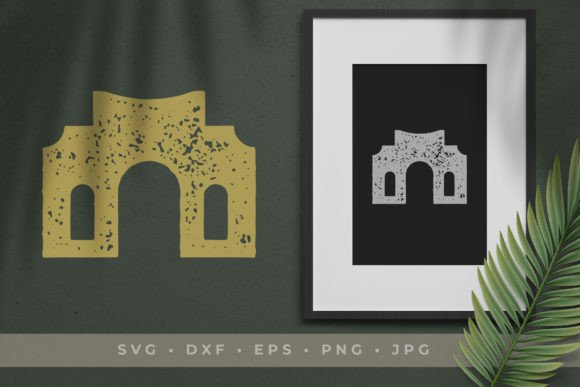
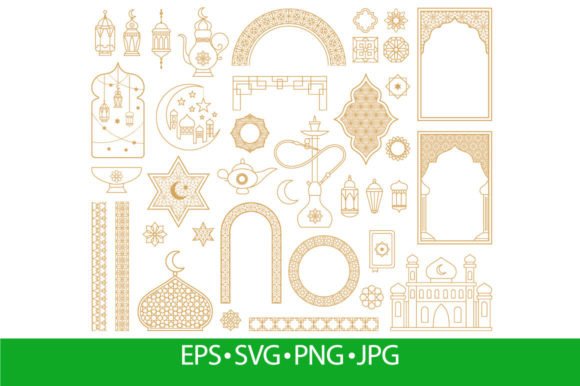
What struck me first was the metallic gold quality running through the entire set. This is not a flat yellow approximation of gold. The shading and gradient work suggest a genuine metallic lustre that reads beautifully on screen and holds up well in print tests. The collection includes arabesque motifs, a mosque silhouette, an archway, a hookah, an eastern lantern, and several patterned border variations. Each element feels like it belongs to the same visual family, which makes building a cohesive design system far easier than mixing and matching from unrelated sources.
The Visual Mood and What It Communicates
There is a quiet confidence in these illustrations. The arched forms, the intricate geometric borders, and the lantern shapes all communicate a sense of heritage without feeling dated. For a designer working on a brand identity or packaging project, this balance is everything. You want the ornamentation to signal tradition and craftsmanship, but you also need the final composition to feel relevant to modern consumers scrolling through Instagram or browsing an Etsy shop.
The gold tones in Traditional Arabic Muslim Oriental Gold elevate the mood considerably. Gold in design psychology often signals luxury, warmth, celebration, and prestige. When paired with the Islamic geometric patterns and oriental motifs, the result lands somewhere between a high-end hospitality brand and a heritage product line. I could see this working beautifully for a tea company, a handmade soap collection, a wedding invitation suite, or a Ramadan-themed product launch.
Where This Illustration Set Shines in Real Client Work
Over the years, I have learned that not every ornate design asset translates well into real-world applications. Some look stunning in isolation but fall apart when placed into a layout. Others become illegible at smaller sizes. The Traditional Arabic Muslim Oriental Gold set performed better than expected across several practical tests I ran before committing to it for a client project.
Packaging Design and Product Labels
I dropped the patterned borders and the lantern illustration onto a candle jar mockup, and the result was striking. The gold detailing wrapped around the label naturally, creating a premium look that would sit comfortably on a boutique shelf. For small business owners selling handmade goods, this kind of visual upgrade can justify a higher price point and attract a more discerning customer.
Social Media Graphics and Pinterest Pins
The arched mosque silhouette and the hookah illustration work well as hero elements in social media graphics. I tested them in a square Instagram post format and a vertical Pinterest pin layout. The gold accents draw the eye immediately, and the cultural motifs spark curiosity. For content creators and bloggers focusing on travel, culture, food, or lifestyle topics, these illustrations provide a distinct visual signature that sets posts apart from generic stock imagery.
Printable Wall Art and Digital Downloads
One of the fastest-growing segments I design for is printable wall art. Etsy sellers and digital product creators are constantly searching for distinctive artwork that prints well and appeals to a niche audience. The Traditional Arabic Muslim Oriental Gold collection fits this market perfectly. I printed a test sheet featuring the archway and the patterned borders on matte cardstock, and the gold tones retained their richness without looking muddy. For anyone building a printable design shop, this asset deserves a spot in your creative toolkit.
Cricut Projects and Sticker Designs
I also ran a quick test with a Cricut machine using the lantern and border motifs. The clean lines in the vector files made weeding manageable, and the final cut produced a elegant gold vinyl decal. Crafters and small business owners who sell personalised mugs, tote bags, or custom stickers will find the level of detail in these illustrations holds up well during production.
When to Use Caution with These Design Assets
Every experienced designer knows that even the most beautiful illustration can become a liability if applied carelessly. The ornamental density of Traditional Arabic Muslim Oriental Gold means it demands breathing room. Crowded layouts, tiny scale applications, and low-contrast backgrounds will suffocate the intricate patterns and rob the gold tones of their impact.
I would avoid using these elements in minimalist branding projects that rely on negative space and ultra-clean typography. The clash would be jarring. Similarly, professional corporate materials such as annual reports or law firm brochures would feel mismatched. This collection thrives in expressive, culturally rich, and emotionally warm design contexts, not sterile corporate environments.
Small sizes present another challenge. The patterned borders, while stunning at full scale, begin to lose their definition below about one inch in width. If you need a tiny decorative accent for a business card or a website favicon, extract a simplified motif rather than scaling down the full border. Test thoroughly before finalising any client deliverables.
How the Illustrations Affect Readability and Visual Hierarchy
In one of my current projects, a boutique tea brand preparing for a seasonal product launch, I placed the arched mosque illustration behind the brand name in a hero graphic. The gold tones were rich enough to create contrast against a deep navy background, and the typography remained crisp and readable. However, I had to adjust the opacity of the illustration slightly to prevent the ornate details from competing with the letterforms.
This is a critical consideration for any designer using Traditional Arabic Muslim Oriental Gold in layouts that include text. The illustrations are visually active, meaning they contain a lot of detail and movement. Pairing them with a bold sans serif font or a clean serif typeface works best. Script fonts and handwritten styles can feel lost or overwhelmed unless the illustration is scaled back significantly.
I also tested the set with a display font for a poster concept, and the combination worked beautifully when the illustration was confined to a decorative border role rather than a background element. The key is to assign clear roles. Let the illustration dominate the decorative space, and let the typography handle the communication.
Practical Designer Notes Before You Commit
Over the years, I have developed a checklist I run through before using any new graphic design asset in a paid client project. Here is what I recommend checking with Traditional Arabic Muslim Oriental Gold.
- Test in black and white. Print a grayscale version to see if the contrast holds up. The gold tones translate to mid-grey, which can lose definition if the background is too dark or too light.
- Preview on light and dark backgrounds. The gold illustrations pop against deep navy, forest green, burgundy, charcoal, and black. On white or cream, they feel elegant but softer. On bright colours, they can appear washed out.
- Check at multiple sizes. Scale the artwork down to thumbnail size and up to poster size. Look for loss of detail, pixelation, or awkward cropping.
- Place on real product mockups. Do not judge the asset in isolation. Place it on a candle jar, a tote bag, a greeting card, or a social media template. Context reveals everything.
- Inspect file formats carefully. If PNG transparency is included, confirm the edges are clean. If SVG or vector formats are available, open them in your design software and check layer organisation and editability.
- Compare with different font styles. Test the illustration alongside a serif font, a sans serif font, a script font, and a display font. Note which pairings feel intentional and which feel accidental.
- Confirm commercial licensing. Before using Traditional Arabic Muslim Oriental Gold for a client project, an Etsy product, a print-on-demand listing, or any commercial design work, verify the license terms. Many creative marketplaces offer standard and extended licenses, and the distinction matters for business use.
Who Should Consider Adding This to Their Creative Toolkit
This illustration set is not for everyone, and that is precisely what makes it valuable. The specificity of the oriental arabic style means it serves a niche that is often underserved by generic stock libraries. Designers who work with handmade businesses, cultural event organisers, halal product brands, travel bloggers, or wedding stationery clients will find the collection immediately useful.
Print-on-demand sellers can build entire product lines around these motifs. Imagine a collection of greeting cards, framed prints, cushion covers, and tote bags all unified by the gold ornamental theme. The consistency across the arch, mosque, hookah, lantern, and border elements makes cross-product branding straightforward.
Canva template creators and digital product sellers will also benefit. The visual richness of the gold illustrations elevates template designs, making them stand out in crowded creative marketplaces. A Ramadan social media kit, an Eid invitation template, or a Middle Eastern wedding stationery set would all benefit from the authentic decorative quality these illustrations provide.
Final Thoughts from a Working Designer
After years of evaluating design assets for real client work, I have learned to value versatility, authenticity, and production reliability above all else. Traditional Arabic Muslim Oriental Gold delivers on all three fronts. The illustrations feel genuine rather than stereotypical, the gold rendering is sophisticated, and the collection includes enough variety to support multiple design directions without becoming repetitive.
For my current client, a small business launching a line of handmade candles with Middle Eastern fragrance profiles, these illustrations became the backbone of the visual identity. The arched motifs frame the product name on the label, the patterned borders separate information on the packaging, and the lantern illustration appears on the thank-you card included with every order. The brand now has a cohesive look that feels intentional and premium.
If your design work intersects with cultural aesthetics, heritage branding, or luxury product presentation, this is a creative asset worth testing. Approach it with the same critical eye you would apply to any design resource. Test it thoroughly, pair it thoughtfully, and confirm your licensing before going live. In the right hands, Traditional Arabic Muslim Oriental Gold can transform a competent design into something truly memorable.