Cherry Plant Circle Logo Black: A Practical Embroidery Review
There is something quietly confident about a design that does not try too hard. When I first opened the Cherry Plant Circle Logo Black file, I felt that immediately. It is not loud, not overly decorative, and certainly not chasing trends. What it offers instead is a restrained botanical charm that feels rooted in vintage apothecary labels and old-world garden illustrations. The hand-drawn quality of the curly plant twigs, the delicate leaves, and the small cherry fruits arranged in a circular layout gives it a personality that is both nostalgic and remarkably current. For anyone who works with machine embroidery design files regularly, you know how rare it is to find a graphic that balances simplicity with enough detail to feel intentional.
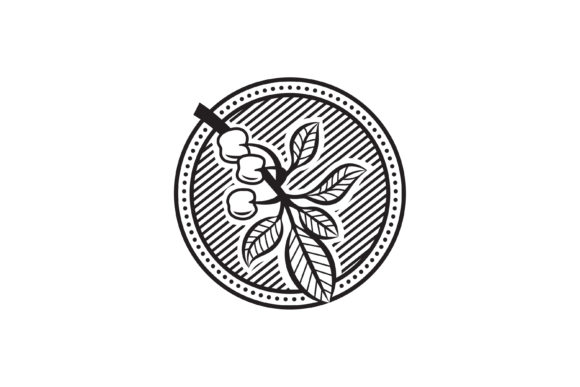
The circular composition is the first thing that catches my eye. A rounded logo shape naturally suits embroidery because it distributes visual weight evenly, and it avoids the awkward corner tension issues that square or rectangular designs sometimes create on fabric. The botanical elements curve inward, following the circle's arc, which means the stitch path will likely flow smoothly without abrupt directional changes that can cause puckering. The line-style rendering of the cherry fruits and leaves suggests this was originally a vector illustration, and that translates well into running stitch and light satin stitch work. I can already picture how the thin, curling twigs will render as elegant single-pass lines, giving the finished piece a hand-stitched feeling that customers tend to love.
First Impressions and the Mood It Creates
The black colorway is a practical choice, but it also sets a specific tone. This is not a bright, cheerful cherry design meant for summer picnic gear. It feels more sophisticated, a little moody, and surprisingly versatile. I would describe the mood as rustic refinement. The hand-drawn, slightly imperfect line work keeps it approachable, while the circular logo format makes it feel polished enough for boutique branding. If you sell handmade product lines or run a small craft business, this design can act as a subtle brand mark on packaging inserts, sewn-in tags, or the corner of a pillow cover without overwhelming the main product.
Because the description mentions botanical plant branches and retro styling, I immediately think of projects that benefit from a heritage or artisanal feel. Think linen aprons for a farmers market baker, embroidered patches on a canvas gardening tote, or a subtle chest logo on a unisex work shirt. The design does not scream for attention, and that is precisely its strength. It rewards a closer look, and that kind of detail builds customer trust because it signals that the maker cared enough to choose something thoughtful rather than generic.
A Real Project Scenario: The Custom Tote Bag Test
Last week, I was preparing a batch of custom embroidered tote bags for a client who runs a small organic cherry farm. She wanted something for her weekend market stall that felt professional but not corporate, and that could also work on kraft paper labels and simple cotton aprons. The Cherry Plant Circle Logo Black immediately came to mind. I hooped a medium-weight cotton canvas tote with a cutaway stabilizer and ran a test stitch on a scrap of the same fabric first, which I always recommend before committing to the final piece.
On the tote bag, the circular shape sat beautifully centered between the handles. The line details in the leaves and twigs stitched out cleanly, and because the design relies on line art rather than dense fills, the fabric did not stiffen up in an unpleasant way. That is a big deal for tote bags, which need to remain flexible and functional. The cherry fruits, rendered in a simple outline style, read clearly even from a few feet away. My client's reaction told me everything I needed to know: she immediately asked if she could use the same design on her holiday gift tea towels and her employee aprons. That kind of versatile recognition is exactly what you want from a logo or brand-style graphic.
One thing I noticed during the stitch-out was that the thinner curly twig sections needed a slightly slower machine speed to avoid thread breaks, especially on the cotton canvas texture. If you are stitching this on a sweatshirt or any fabric with a nap, definitely run a test first and consider using a topper to keep the fine lines crisp. The design is not overly complex, but those delicate curves deserve a careful setup.
Where This Design Truly Belongs
After working with the Cherry Plant Circle Logo Black on several test pieces, I have a clear sense of the projects where it will shine. The botanical theme makes it an obvious fit for kitchen and home goods. Tea towels embroidered with this design in black thread on natural linen look like something from a high-end boutique. Aprons gain a quiet professional touch without feeling over-branded. For pillow covers and nursery decor, the organic plant shapes feel gentle and gender-neutral, which is a real advantage for baby shower gifts and children's room accents.
Apparel is another strong category. A left-chest placement on a t-shirt or a lightweight sweatshirt works well because the circular shape fits that standard embroidery zone comfortably. On caps and hats, however, you need to be more careful. The curved surface of a cap can distort a circular design, especially if the circle is on the larger side. I would test the design on a structured cap with a firm backing before offering it as a cap embroidery option. If you sell custom apparel or run an Etsy seller shop with personalized items, listing this as a tote bag, apron, or sweatshirt option makes more sense than pushing it onto every product type.
For patches, this design is practically begging to be stitched on a sturdy twill or felt base with a merrowed edge. The circular logo format is naturally suited to patch construction, and the black line art style means it will hold up well to repeated washing and wear. I have seen similar botanical patches sewn onto denim jackets, canvas backpacks, and even simple beanies, and they always attract attention at craft fairs.
Where You Should Pause and Test Carefully
Not every design works everywhere, and honesty about limitations is what separates a reliable review from a sales pitch. With the Cherry Plant Circle Logo Black, the main concerns center on scale and fabric choice. The fine curly twigs and small leaf details are essential to the design's charm, but they also represent the highest risk areas. If you try to stitch this too small, those delicate lines will either blur together or become too fragile to survive regular use. I would not recommend going below a four-inch hoop size for this design, and even then, inspect the stitch-out closely before offering it to a customer.
Stretchy fabrics like jersey knit or performance wear need extra attention. The circular shape can distort if the fabric shifts during stitching, and the result is an oval or wobbly circle that looks sloppy. A good quality cutaway stabilizer and a temporary adhesive spray are non-negotiable here. If you are stitching on dark fabric, black thread can lose contrast, so you may want to consider a dark charcoal thread for visibility or even experiment with a deep olive or muted gold thread to change the mood entirely while keeping the botanical feel intact.
Layered garments, like a zip-up hoodie with a lining, can also be tricky if the embroidery area is near a seam or zipper. The circular design needs a flat, uninterrupted surface to look its best. Always check the placement before hooping, and if you are selling finished products, make sure your handmade product photos clearly show the embroidery on the actual fabric so buyers know exactly what to expect.
How This Design Affects Product Value and Buyer Perception
There is a direct link between the design you choose and how a customer perceives the value of your work. A generic, mass-produced looking graphic can make even the most carefully sewn item feel cheap. The Cherry Plant Circle Logo Black carries an artisanal quality that elevates the finished product. It looks hand-drawn, which aligns perfectly with the values that handmade shoppers care about: authenticity, craftsmanship, and attention to detail. When a customer sees this design on a personalized gift or a boutique item, they are more likely to associate it with a small batch, thoughtfully made product rather than something off a factory line.
For small shop product photography, this design photographs well because the black line art creates clear contrast on light and medium backgrounds. It also works in printable mockup scenarios if you sell digital embroidery files and want to showcase how the design looks on virtual products. The botanical theme has broad appeal across seasons, which means you are not stuck with a design that only sells during cherry season or summer months. It reads just as well on a cozy winter apron as it does on a spring market tote.
Practical Notes for Embroidery Designers and Sellers
Before you list a product using this design or stitch it onto a client order, there are a few practical checks I always recommend. First, run a test stitch on the exact fabric and stabilizer combination you plan to use for the final product. Scrap fabric tests save you from ruined garments and disappointed customers. Pay particular attention to the density of the cherry fruits and the thinnest twig lines. If the stitch density feels too high for lightweight fabric, you may need to adjust your machine settings or choose a softer backing.
Thread color contrast is another consideration. Black thread on natural linen or cream cotton is a classic combination that always looks beautiful, but if you are stitching on a darker oatmeal or heathered gray fabric, the contrast may drop more than you expect. Test the design in both a black and white mockup and on the actual fabric to confirm readability. Good lighting in your product photos will also help customers see the design clearly, especially if you sell through Etsy seller listings or your own website.
Check your hoop size carefully. The circular format means the design needs enough clearance around the edges to avoid hoop burn or stitching too close to the frame. If you are unsure about the exact dimensions, measure the design file before setting up your machine. The product description does not specify exact sizes, so you will need to verify that yourself before committing to a project.
Stabilizer choice matters more than many beginners realize. For woven fabrics like cotton canvas, linen, or denim, a medium-weight cutaway stabilizer works well. For knits or anything with stretch, you need a cutaway with some give and possibly a water-soluble topper to prevent the fine lines from sinking into the fabric texture. On baby embroidery projects, make sure the back of the embroidery is smooth and soft against sensitive skin, and consider using a soft backing or a cover stitch if the design will be against a baby's skin directly.
Commercial Use and Licensing Awareness
If you plan to sell finished products featuring the Cherry Plant Circle Logo Black, or if you intend to include it in a digital embroidery file bundle that you sell to other crafters, you need to confirm the licensing terms. The product falls under the Logos category and is listed as a Graphics type, but the specific usage rights are not detailed in the description provided. Always check whether the design is cleared for commercial embroidery use, whether you can sell physical items made with it, and whether you can redistribute it as part of a digital product. This is not just a legal formality; it protects your business and your reputation.
I have seen too many small shop owners run into trouble because they assumed a design was free for commercial use when it was actually licensed for personal projects only. If you are building a craft business around embroidered products, your design assets need to be legally sound. Take the time to read the license, reach out to the creator if anything is unclear, and keep records of your permissions. It is a small step that saves enormous headaches later.
Final Thoughts From the Stitching Table
The Cherry Plant Circle Logo Black is the kind of design that grows on you the more you work with it. It is not flashy, but it is memorable. It does not demand attention, but it earns it through the quality of its line work and the timeless appeal of its botanical subject matter. For embroidery designers, small business owners, and makers who want a design that feels personal, versatile, and rooted in handcrafted tradition, this one is a strong candidate for your next embroidery project.
Whether you are stitching a single personalized gift for a friend, preparing a batch of holiday embroidery tea towels, or building a cohesive brand identity for your boutique product line, this design gives you a lot of room to play. Just remember to test thoroughly, respect the limitations of your fabric and hoop size, and always confirm your licensing before you sell. A good design paired with good practices is what turns a simple embroidery file into a finished product that customers genuinely treasure.